
Art movements have consistently played a crucial role in shaping societal norms and values. By challenging conventional perspectives, artists bring attention to pressing social issues, paving the way for dialogue and transformation. Through the lens of creativity, these movements often ignite passion and mobilize communities toward meaningful change.
Historically, art has served as both a mirror and a catalyst for societal evolution. From the poignant expressions of the Harlem Renaissance to the bold statements of contemporary street art, each movement reflects its time while pushing for progress. Artists use their platforms to highlight injustices, promote equality, and inspire action, ultimately influencing public opinion and policy.
Understanding the relationship between art and social change reveals the power of creativity in activism. By examining key movements and their impacts, individuals can appreciate how art not only reflects society but also serves as a vital instrument for advocating change.
Historical Context of Art Movements and Social Change
Art movements throughout history have mirrored societal changes and often acted as catalysts for new ways of thinking. The interplay between creative expression and social evolution is evident in various periods, each leaving a distinct mark on cultural and social landscapes.
Influence of the Renaissance on Society
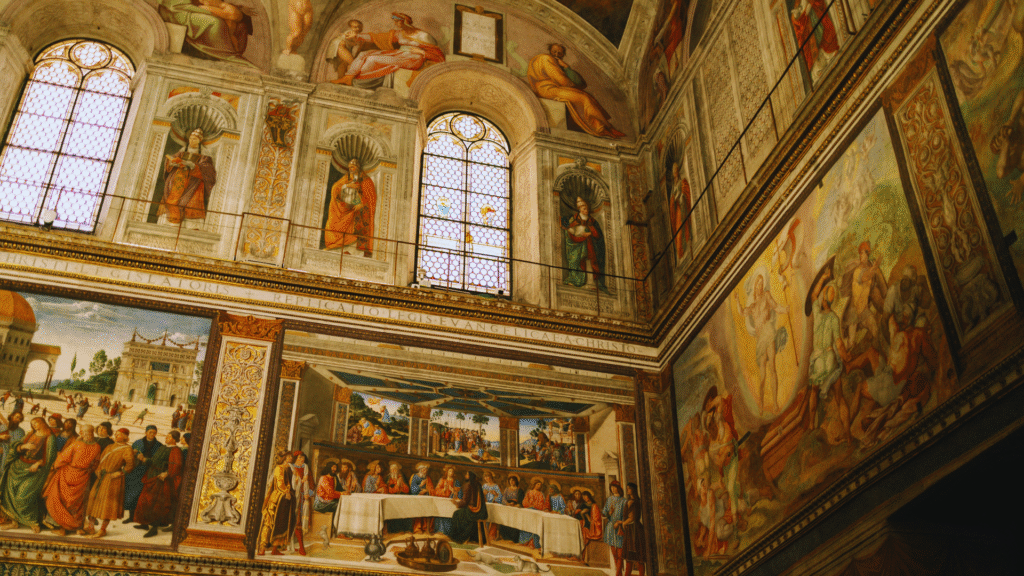
The Renaissance, spanning from the 14th to the 17th century, marked a profound transformation in art and culture. Artists like Leonardo da Vinci and Michelangelo emphasized humanism, focusing on individual potential and experience. This shift from religious themes to secular subjects encouraged a reevaluation of societal values and the role of the individual.
Innovations such as linear perspective changed how art depicted reality, promoting scientific observation and discovery. The printing press also facilitated the spread of ideas, allowing art to reach broader audiences and influence thought. Thus, the Renaissance laid the groundwork for questioning traditional authority and embracing human and civil rights.
Art and Industrialization
The Industrial Revolution brought significant changes to society, manifesting in various art movements such as Romanticism and Realism. While Romanticism celebrated emotion and nature, often as a reaction against industrialization, Realism sought to depict everyday life authentically.
Artists like Gustave Courbet focused on the struggles of the working class, making social realities visible. This era highlighted issues such as labor rights, urbanization, and the impact of technology on daily life. Art became a tool for social commentary and raised awareness about the conditions faced by many, prompting dialogue around class and inequality.
Civil Rights Movement and Visual Art
The Civil Rights Movement of the 1950s and 1960s significantly influenced visual art, with artists using their work to address issues of race, justice, and equality. Figures like Jacob Lawrence and Romare Bearden created powerful narratives through their artwork, elevating the African American experience.
Art installations and performances served as protest mediums, conveying messages that reached diverse audiences. The influence of artists’ activism and documentation of civil rights struggles played a crucial role in shaping public perception and policy. The resulting art not only reflected the movement but actively engaged communities in the fight for social change.
Forms and Expressions of Art as Social Commentary
Art serves as a powerful tool for social commentary, capturing the complexities of societal issues and inspiring change. Various forms of artistic expression, from traditional paintings to modern street art, can provoke thought and elicit emotional responses in viewers.
The Power of Paintings
Paintings have historically been used as a medium for social commentary. Artists like Francisco Goya and Pablo Picasso addressed themes of war, oppression, and human suffering in their works. For instance, Goya’s “The Third of May 1808” critiques the brutality of conflict, while Picasso’s “Guernica” responds to the horrors of the Spanish Civil War.
These pieces not only convey emotions but also challenge societal norms, encouraging viewers to reflect on injustice. The use of symbolism and color enhances their messages, making the commentary predominantly accessible and affecting a broad audience.
Sculpture and Social Narratives
Sculpture provides a three-dimensional perspective on social issues, offering tactile engagement with the viewer. Artists such as Alberto Giacometti and Daniel Libeskind use form and space to reflect human experiences of isolation and trauma.
Giacometti’s elongated figures evoke feelings of alienation, while Libeskind’s architecture speaks to displacement and memory. The physical presence of sculptures often invites public interaction, making them effective in fostering dialogue about societal challenges, enabling a deeper connection to the viewer’s environment.
Street Art and Graffiti as Activism
Street art and graffiti emerge as dynamic forms of activism, transforming urban spaces into platforms for social commentary. Artists like Banksy use the anonymity of street art to challenge authority and provoke critical conversations about political and social issues.
Murals and graffiti can serve as collective expressions of community voices, addressing local concerns such as inequality and oppression. The accessibility of this art form makes it an essential tool for grassroots movements, allowing marginalized groups to express their realities creatively.
Architecture and Cultural Exchange
Architecture also functions as a form of social commentary, reflecting cultural identities and historical contexts. Buildings can symbolize societal values, promoting sustainability or inclusivity.
For instance, the design of public spaces promotes community engagement, echoing social intentions through layout and accessibility. Notable examples like the African American Museum in Philadelphia illustrate how architecture can serve as a bridge for cultural exchange, showcasing heritage and inspiring future generations toward social equity.
The Role of Art in Shaping Social Movements
Art has long served as a catalyst for social change, influencing movements by conveying messages, evoking emotions, and uniting communities. Through various forms, artists have played a crucial role in expressing societal issues and rallying support for causes.
Art and the Civil Rights Movement
During the Civil Rights Movement, artists used their work to highlight racial injustice and promote equality. Iconic pieces, such as Jacob Lawrence’s “Migration Series,” depicted the struggles of African Americans and their fight for civil rights.
Visual art helped convey the emotions tied to oppression and resistance, making abstract ideas more tangible. Music also played a pivotal role, with anthems like “A Change is Gonna Come” resonating with many.
Art events, such as the “March on Washington,” utilized banners and signs to solidify a unified message. These creative expressions contributed to a broader understanding of civil rights issues.
Environmental Art and Climate Change
Environmental art has emerged as a significant tool in addressing climate change, aiming to raise awareness about ecological issues. Artists create installations that often involve natural materials or reflect environmental degradation, prompting viewers to consider their impact on the planet.
For instance, Olafur Eliasson’s “Ice Watch” project involved positioning large blocks of ice in public spaces to emphasize global warming. Interactive installations encourage community engagement and provoke emotional responses towards environmental responsibility.
Through exhibitions and public art, creators present urgent conversations about sustainability. This movement encourages individuals and society to rethink their relationship with nature.
The Black Lives Matter Movement through Visual Art
The Black Lives Matter movement has harnessed visual art to communicate the urgency of social justice. Murals and graffiti serve as platforms for expressing solidarity, grief, and calls for action against police brutality.
Notable works, such as the “Say Their Names” mural, memorialize victims of racial violence, fostering recognition and awareness. Artists often collaborate with activists to create public works that resonate with local communities.
Social media has amplified these efforts, allowing visual art to reach a wider audience quickly. This instant accessibility helps to maintain momentum in the fight for racial equity, demonstrating art’s power in advocating for transformative change.
Implications of Art on Society and Economy
Art plays a significant role in shaping community dynamics and influencing economic conditions. Its effects extend from fostering local identity to stimulating economic growth through cultural activities and self-expression.
Assessing the Impact on Community and Economy
Art fosters community engagement by creating platforms for individuals to express shared values and experiences. Community art projects, murals, and performances can enhance local identity and pride.
They often bring people together, bridging gaps between diverse populations. This unity can lead to revitalization of neighborhoods and increased property values, bolstering the local economy.
Moreover, arts organizations create jobs, from artists to event coordinators, impacting economic health. The ripple effects include increased patronage for local businesses, encouraging a vibrant local economy.
Cultural Exchange and Economic Growth
Cultural exchange through art encourages dialogue and understanding among different groups. Music festivals, art fairs, and exhibitions attract audiences and participants from various backgrounds.
This interaction not only promotes inclusiveness but also boosts tourism. When geographical regions host cultural events, they generate revenue through ticket sales, accommodations, and local spending.
For instance, international art festivals can significantly elevate a city’s status as a cultural destination, leading to increased investment. This investment can diversify the economy, reducing dependence on any single industry.
The Power of Self-Expression and Emotional Impact
Art serves as a vital form of self-expression, enabling individuals to convey personal and collective experiences. This outlet can lead to powerful emotional responses, fostering empathy and understanding.
By addressing social issues like inequality, art becomes a medium for advocacy and awareness. Community members can address grievances, gaining a sense of agency in societal conversations.
Additionally, the emotional impact of art can enhance mental health and well-being. Programs integrating art into therapy show promising results, supporting the idea that creativity can improve individual and community resilience.