
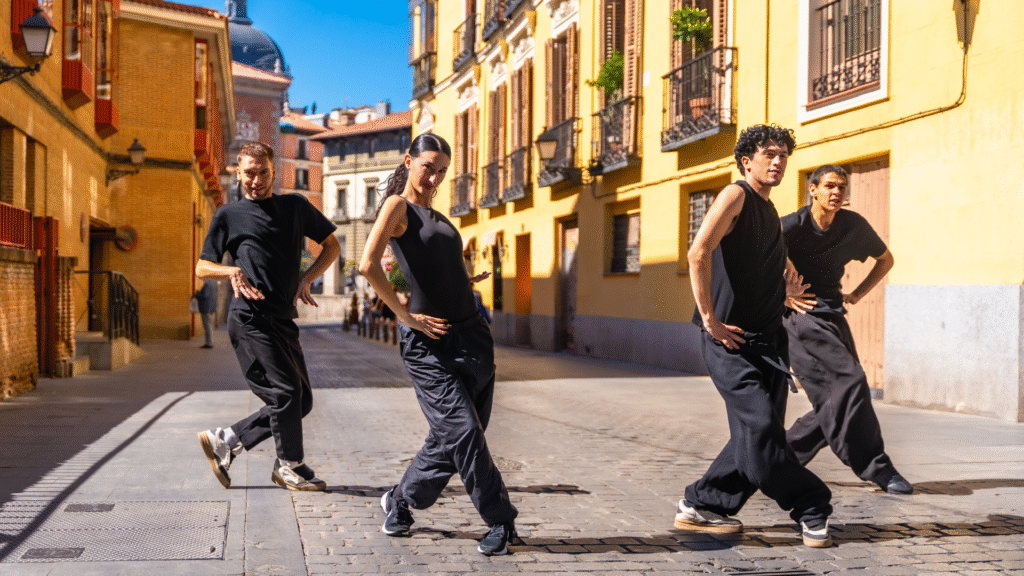
Street dance has grown from an informal, community-based movement into a globally recognized cultural force. It continuously adapts, reflecting social changes and diverse influences in music, fashion, and technology. The evolution of street dance in modern culture shows how these styles serve as both artistic expression and social commentary.
Emerging from urban environments, street dance was initially a way for marginalized groups to communicate identity and resistance. Over time, it has integrated with mainstream entertainment, yet remains rooted in its original spirit of innovation and inclusivity.
Today, street dance shapes and is shaped by popular culture, influencing everything from music videos to competitive dance battles. Its ongoing transformation highlights the dynamic relationship between tradition and contemporary creativity.
Origins of Street Dance and Cultural Foundations
Street dance emerged amid vibrant urban energy where music, art, and social challenges molded creative expression. Rooted in specific neighborhoods, it reflects the dynamic interplay between communities and cultural forms, driven by the need for identity and communication.
Socioeconomic Influences in the Bronx and Harlem
The Bronx and Harlem in the 1970s were marked by economic decline, poverty, and limited opportunities. These conditions shaped the rise of street dance as an accessible outlet for youth.
High unemployment and neglected public services led young people to gather in public spaces, turning fraying neighborhoods into stages. Dance battles and gatherings became competitive yet communal events, offering alternatives to street violence.
In these boroughs, social challenges directly influenced dance styles and attitudes, cultivating resilience. Hip-hop music, born alongside street dance, echoed the struggles and narratives of the urban environment.
Emergence from Marginalized Urban Communities
Street dance rose primarily from African American and Latino communities facing systemic marginalization. Limited access to mainstream cultural institutions pushed these groups to create their own.
Dance was a form of grassroots empowerment. Youth in these neighborhoods communicated stories of hardship, joy, and resistance through movement.
Community centers, block parties, and informal street corners became hubs where new dance styles developed. These spaces fostered inclusion and informal mentorship, defining street dance’s communal roots.
Fusion of Elements: Music, Graffiti, and Dance
Street dance did not evolve in isolation. It shares a deep connection with hip-hop music and graffiti art, forming a cultural triad.
Hip-hop music’s rhythmic beats and lyrical flow influenced dance techniques, while graffiti provided visual storytelling and cultural context. This triad visually and sonically shaped urban identity.
The improvisational nature of graffiti parallels the freestyle elements in street dance. Together, they represent a multidimensional form of cultural production within hip-hop culture.
| Element | Role |
| Hip-Hop Music | Provided beats and lyrical narratives |
| Graffiti Art | Visual expression of identity and space |
| Street Dance | Physical articulation of community stories |
Role of Self-Expression and Identity
Street dance serves as a powerful means of self-expression and cultural identity. It allows individuals to express personal style, emotions, and social commentary.
For many dancers, movement is a response to social conditions and a way to claim visibility within marginalized spaces. Dance battles and performances reinforce community bonds and status.
The emphasis on originality promotes continual innovation. Through style, gestures, and interaction, street dancers assert both individual and collective identity, shaping hip-hop’s vibrant culture.
Major Street Dance Styles and Their Evolution
Street dance evolved through various urban movements, techniques, and cultural influences. Each style reflects unique physical elements and social contexts, affecting how dancers express identity and engage with audiences worldwide.
Breakdancing: Roots, Moves, and Global Impact
Breakdancing, also known as breaking or b-boying, emerged in the early 1970s in New York City. Its foundational moves include toprock (footwork performed while standing), intricate footwork on the floor, and acrobatic power moves like spins and flips.
Distinctive features like head spins, freezes, and dynamic floor moves fuel intense dance battles. Breakdancing became a symbol of urban culture and resilience within marginalized communities.
Its global impact grew with competitions and media exposure, influencing contemporary dance and maintaining relevance through evolving styles and cross-cultural fusion.
Popping, Locking, and Funk-Era Influences
Popping and locking originated from West Coast funk dance scenes in the 1970s. Popping involves quick muscle contractions creating a jerky “pop” effect, while locking features fast arm movements pausing into defined, “locked” poses.
Artists like Don Campbell and groups such as The Lockers popularized locking, integrating theatrical expressions into performances. Popping spread through crews like the Electric Boogaloos, emphasizing isolation and control.
Both styles contributed to the larger funk dance era, influencing street styles by incorporating rhythm, precision, and individuality. These dances often appeared in music videos, expanding their reach beyond initial communities.
The Rise of Hip-Hop Dance
Hip-hop dance encompasses a broad set of techniques rooted in African American and Latino urban neighborhoods, blending breaking, locking, and popping. It evolved alongside hip-hop music, reflecting social issues and cultural storytelling.
It includes freestyle, choreography, and battles, prioritizing creativity and self-expression. Icons like the Rock Steady Crew fueled hip-hop dance’s popularity via films, TV shows, and competitions.
This dance form continuously adapts, integrating newer movements while maintaining its foundational ethos of community and improvisation. It shapes contemporary street and even mainstream dance culture.
Emergence of Krumping, Waacking, and New Styles
By the 2000s, krumping appeared in Los Angeles as an intense, improvisational style emphasizing aggressive, exaggerated movements and emotional expression. It serves as a release from anger and reflects urban struggles.
Waacking, originating from 1970s gay clubs in Los Angeles, features rapid arm movements and poses inspired by Hollywood glamour and disco culture. It emphasizes rhythm, style, and theatricality.
Newer street styles draw on these roots, blending traditional techniques with contemporary influences. Trends like the Harlem Shake gained viral popularity, reflecting constantly shifting urban dance landscapes.
| Style | Origin | Key Features | Cultural Context |
| Breakdancing | NYC, 1970s | Toprock, power moves, freezes | Urban resilience, battles |
| Popping | West Coast, 1970s | Muscle pops, isolation | Funk music culture |
| Locking | West Coast, 1970s | Locked poses, fast arm movements | Theatrical funk expression |
| Hip-hop | Urban USA, 1970s-1980s | Freestyle, battles, blending styles | Storytelling, community |
| Krumping | LA, 2000s | Aggressive, expressive, improvisation | Emotional release |
| Waacking | LA, 1970s | Fast arms, posing, disco influence | LGBTQ+ club culture |
Street Dance in Modern Culture and Media
Street dance thrives today through competitive events, viral trends, and pop culture icons who bring urban dance styles to wide audiences. It continuously adapts within nightclubs, social platforms, and media, shaping youth culture globally.
Nightclubs, Dance Battles, and Competitions
Nightclubs remain pivotal venues for street dancing, acting as hubs where new styles emerge and evolve. Dancers use these spaces to showcase their skills and experiment with moves in a social setting.
Dance battles and competitions are formalized arenas where street dancers prove technical skill and creativity. Events like Red Bull BC One and World Hip Hop Dance Championship have gained international recognition, fostering a professional scene for urban dance styles.
These competitions drive innovation by encouraging dancers to push boundaries. They also attract diverse global participants, which helps spread street dance culture beyond local communities.
Influence of Viral Trends and Social Media
Social media platforms like TikTok and Instagram have transformed the reach of street dance, making viral dances central to its modern influence. Short-form videos enable trends to spread rapidly among youth culture worldwide.
Viral challenges often highlight signature moves or routines that become symbolic of street dance styles. This visibility helps lesser-known urban dance forms gain mainstream attention, inspiring new dancers to learn and participate.
Dance trends online interact with real-world practice by fueling choreography and battling styles. They democratize access, allowing anyone with a smartphone to contribute to the evolution of street dancing.
Mainstreaming Through Icons and Pop Culture
Icons like Michael Jackson have played a key role in mainstreaming street dance, notably with moves such as the moonwalk. These figures bring urban dance into popular entertainment, influencing generations.
Music videos, films, and televised dance shows continue to spotlight street dance styles. This exposure elevates the art form within mass culture, creating aspirational models for young dancers.
Pop culture endorsements legitimize street dancing as both an artistic and commercial endeavor. They bridge the gap between underground communities and large-scale audiences, sustaining urban dance’s relevance in modern culture.
Social Impact, Community, and Legacy
Street dance has shaped social dynamics by providing a platform for youth identity and cultural dialogue. Its development is tightly connected to urban communities and reflects broader societal changes. The interaction with music and fashion has helped sustain its relevance and influence.
The Role of Youth and Urban Identity
Street dance emerged as a crucial form of expression among youth in urban neighborhoods. It allowed young people, often marginalized, to develop a shared identity grounded in creativity and resilience. This dance culture fostered community bonds and offered an alternative to negative influences like violence or crime.
The involvement of youth in street dance was pivotal in asserting urban identity, giving visibility to distinct cultural roots. In cities like New York, dancers connected through public spaces, competing and collaborating, which strengthened local pride. This grassroots cultural movement remains vital in preserving communal ties.
From Protest to Art Form: Street Dance as Expression
Originally, street dance served as a form of protest and social commentary for disenfranchised groups. It communicated experiences of oppression and hopes for change without words. Over time, it evolved into a respected art form, recognized on global stages and in mainstream media.
Figures such as Grandmaster Flash contributed to linking street dance to hip hop music, amplifying its expressive power. This development enabled dancers to use rhythms and beats as vehicles for storytelling, blending entertainment with deeper social messages. The dance aesthetic continues to challenge social norms.
Cross-Influence with Music and Fashion
Hip hop music heavily influenced street dance styles and performance. Artists like Grandmaster Flash created soundscapes that defined dance movements. This synergy fostered a vibrant culture where music and dance supported each other’s growth.
Street dance also shaped urban fashion trends, with styles reflecting dance cultures like breakdancing and popping. Baggy clothes, sneakers, and caps became symbols of the street dance community. This intersection encouraged a global diffusion of urban culture, influencing youth behavior and consumer markets worldwide.